Network Security Configuration Services
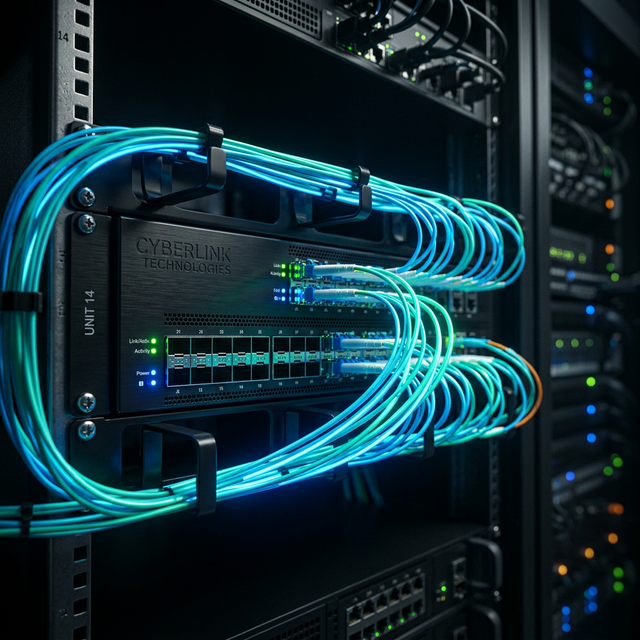
A secure network is not created by a single firewall or one well-chosen tool; it is built through comprehensive strategies—such as network segmentation and automation—that ensure robust network integrity. It stems from the meticulous configuration, regular review, careful restriction, and constant monitoring of every component. When these settings are designed with precision, businesses unlock a stronger defense against ransomware, unauthorized access, data loss, and costly downtime.
For growing companies, this work is especially crucial. Many teams juggle a blend of office users, remote staff, cloud platforms, SaaS applications, and on-premises systems. Such environments demand clear rules, strict access controls, robust encryption, and continuous oversight. CyberNet empowers businesses to implement these protections through practical, thoughtfully managed network security configuration management and automation services crafted for stability and long-term resilience.
What the service includes
Network security configuration centers on the policies, compliance measures, and settings that govern how users, devices, applications, and external connections interact with business systems. It is a vital element of security configuration management. The goal is clear: permit legitimate traffic, block risky activity, and minimize the risk that a single vulnerability could jeopardize the entire environment.
This service often encompasses firewalls, VPNs, secure remote access, VLANs, router and switch hardening, wireless security, threat detection and prevention, logging, access control, and policy review. It also involves evaluating existing configurations, pinpointing vulnerabilities, and rectifying misconfigurations before they escalate into incidents.
After this thorough review, the service typically tackles areas such as:
- Firewall policy review and rule cleanup
- Network segmentation: dividing users, servers, guest access, and sensitive workloads into distinct zones
- Secure VPN deployment
- Access control: restricting privileges based on user role, device, and business necessity
- IDS/IPS configuration
- Encryption: safeguarding data in transit across both internal and external connections
- Wireless security hardening
- Centralized logging and alerting
Why configuration quality matters
Many security incidents intensify due to easily avoidable misconfigurations and configuration gaps. Open ports may remain exposed, obsolete rules might not be removed, administrative access might be overly broad, or remote connections could rely on weak authentication. Attackers need not pursue an elaborate strategy when a simple misconfiguration provides a straightforward entry point.
A well-configured network significantly reduces that exposure. It limits lateral movement, curtails privileged access, enhances visibility, and creates a controlled environment for users and systems alike. Moreover, it supports smooth daily operations by mitigating outages caused by policy conflicts, unstable routing, or poorly planned access changes.
The difference between a loosely managed network and a hardened one is often evident not only in security reports but also in everyday business performance.
| Area | Weak configuration | Strong configuration | |---|---|---| | Firewall rules | Overly broad access, unused rules, poor documentation | Tight rule sets, regularly reviewed, aligned with business needs | | Remote access | Shared credentials or weak VPN settings | MFA, secure VPN policies, controlled administrative access | | Internal network design | Flat network with minimal separation | Segmented zones for users, servers, Wi-Fi, and critical systems | | Monitoring | Limited logs and sporadic alerts | Centralized logging, actionable alerts, continuous review | | Device management | Default settings and delayed patches | Hardened baselines, timely updates, documented changes |
A practical approach from assessment to ongoing protection
Effective network security configuration begins with clear visibility. Before any changes are made, the entire environment must be assessed: network devices, existing rules, remote access methods, server exposure, wireless setup, and administrative pathways. This stage often uncovers duplicated firewall entries, outdated protocols, unnecessary open services, and access paths that no longer align with business needs.
Once the current state is fully understood, a secure design can be shaped around real operational requirements. This may involve segmenting business units, isolating critical servers, tightening remote access, enforcing stronger authentication, and setting policies tailored for branch offices or cloud-connected systems. A strong design protects the organization without hindering legitimate operations.
CyberNet follows a proactive service model that supports the entire lifecycle—from assessment to long-term administration and optimization. This approach is particularly valuable for businesses seeking enterprise-level IT guidance without the need to develop a full in-house security team.
A typical engagement may include:
- Assessment: Review infrastructure, map current risks, and identify weak configurations.
- Design: Define secure policies for traffic flow, access, segmentation, and remote connectivity.
- Implementation: Configure firewalls, VPNs, switches, wireless controls, monitoring systems, and security tools.
- Validation: Test access pathways, review logs, and confirm that policies function as intended.
- Ongoing management: Update rules, monitor performance, respond to emerging threats, and support evolving business demands.
Built for modern business networks
Small and midsize businesses often face the same security challenges as larger enterprises, albeit with fewer internal resources. Companies may rely on cloud applications, remote desktops, VoIP, shared file platforms, and connected branch locations while operating with a lean IT structure. This scenario creates a genuine need for security controls that are strong, manageable, and cost-effective.
CyberNet’s remote IT support model is ideally suited for such environments. Businesses gain access to experienced technical support, proactive monitoring, infrastructure administration, and cybersecurity-focused configuration work—all without the burden of maintaining a large internal operations team. This approach is especially beneficial for organizations that require reliable uptime, stable remote access, and stringent control over sensitive data.
Standards, compliance, and smart safeguards
Security configuration must be based on solid principles, not guesswork. Excellent services rest on accepted frameworks and proven practices, including guidance from NIST, ISO 27001, CIS controls, and industry-specific requirements as needed. For businesses handling regulated data, robust network controls also support broader obligations related to privacy, audit readiness, and risk management.
This approach doesn’t imply a one-size-fits-all template for every environment. Instead, it means adopting recognized standards as a foundation and then tailoring the design to fit the organization’s structure, users, applications, and growth trajectory.
In practice, this often means emphasizing safeguards such as the use of a virtual private network and principles like:
- Least privilege: Every user and system receives only the access they require.
- MFA for both administrative and remote access.
- Patch discipline: Ensuring network devices and supporting systems remain current.
- Thorough traffic logging.
- Encryption standards: Employing secure protocols for Wi-Fi, VPNs, and critical data flows.
- Regular configuration reviews.
Common issues this service helps correct
Many networks become vulnerable not because they lack security tools, but because those tools were never fully optimized. Outdated firewall rules may persist following staff changes, guest networks might not be correctly isolated, legacy protocols could remain enabled, and critical alerts might go unnoticed due to improperly configured logging.
This service addresses these issues before they escalate into significant operational or security challenges. It also equips businesses with a clear understanding of how their network truly behaves, thereby enabling better planning for audits, expansions, cloud migrations, and disaster recovery.
Ongoing management matters
Security configuration is not a one-time fix but an ongoing commitment. Networks are dynamic—new employees come onboard, vendors require access, offices expand, cloud services are integrated, and application traffic patterns evolve. Without regular review, even a once well-configured environment can slowly drift into vulnerability.
This is why continuous monitoring, routine maintenance, and ongoing optimization are so vital. CyberNet’s service model is anchored in preventive support, remote administration, and constant attention to infrastructure health. With this proactive approach, businesses can keep firewall policies up to date, react more swiftly to suspicious activity, and maintain a network posture that supports both protection and performance.
A stronger network begins with disciplined configuration, carefully crafted policies, and a dedicated team that treats security as an essential aspect of daily operations. CyberNet empowers businesses to build that foundation with practical expertise, secure remote support, and managed services that safeguard critical systems as the business evolves.
Key Components of Secure System Setup
Building a secure system is not solely about deploying individual security tools—it requires a structured approach that integrates hardware, software, policies, and procedures. A secure system setup considers everything from physical device protection to the latest network segmentation best practices, ensuring that every component works in harmony to mitigate risk.
Understanding Network Security Configuration
Understanding network security configuration is fundamental for any organization. This involves grasping how different security measures—from firewalls to encryption protocols—interact, and how misconfigurations can expose vulnerabilities. A deep understanding allows IT professionals to fine-tune their defenses, ensuring each setting is optimized to block unauthorized access and reduce threat exposure.
Importance of Network Security Configuration Services
The importance of network security configuration services cannot be overstated. They not only protect sensitive data by ensuring proper segmentation and controlled access but also facilitate regulatory compliance. Businesses that invest in these services experience fewer security breaches, reduced downtime, and improved overall network performance.
Key Components of Network Security
Successful network security relies on several core components. Each plays its part in creating layers of defense:
Firewalls and their Role
Firewalls serve as the first line of defense, filtering inbound and outbound traffic according to predefined security policies. A robust firewall configuration blocks malicious traffic and prevents unauthorized network access, ensuring that only legitimate data communications occur.
Intrusion Detection Systems
Intrusion Detection Systems (IDS) help identify potentially harmful activities by analyzing network traffic for signs of unusual behavior. When integrated with Intrusion Prevention Systems (IPS), they offer a proactive defense by not only detecting but also mitigating suspected threats.
Virtual Private Networks
Virtual Private Networks (VPNs) establish secure, encrypted connections for remote access, protecting data transmitted over public networks. VPNs are critical for organizations with remote employees or multiple branch offices, ensuring secure communications regardless of geographic location.
Steps to Implement Network Security Configuration
A methodical implementation process is essential for robust security. Key steps include:
- Planning and assessment of current network vulnerabilities.
- Designing an architecture that enforces segmentation and minimizes risk.
- Implementing controls such as secure firewalls, VPNs, and encryption.
- Validating the configurations through rigorous testing.
- Establishing an ongoing management plan to keep security measures updated.
Identifying Security Vulnerabilities
Identifying vulnerabilities is a proactive step in safeguarding networks. Ongoing assessments help pinpoint misconfigurations, outdated protocols, and other gaps that could be exploited.
Common Vulnerability Sources
Common vulnerability sources include legacy systems running outdated software, misconfigured remote access protocols, and overly permissive firewall rules. Being aware of these sources allows businesses to address potential weaknesses before they are exploited.
Tools for Vulnerability Assessment
Organizations should consider employing vulnerability assessment tools to continuously scan for risks. These tools provide insights into network weaknesses, allowing IT teams to remediate issues in a timely fashion.
Designing a Secure Network Architecture
Designing a secure network architecture involves creating an environment where each network segment is isolated and protected. By dividing the network into zones for users, servers, and guest access, organizations can restrict lateral movement and minimize risk in the event of a breach.
Best Practices for Network Security
Embracing industry best practices is essential in maintaining a secure network posture.
Regular Security Audits
Regular security audits help ensure that policies, configurations, and tools are functioning as intended. Audits provide the opportunity to identify and correct deviations from the desired security state.
Employee Training and Awareness
Pressure points in network security often come from human error. Regular employee training and awareness programs ensure that all staff understand security protocols and the importance of following established procedures.
Choosing the Right Security Tools
Selecting the most appropriate tools is a pivotal decision. The right tools support comprehensive threat detection, secure remote access, and effective response mechanisms.
Considerations for Tool Selection
Important considerations include scalability, compatibility with existing systems, ease of management, and how well the tool aligns with industry standards such as NIST, ISO 27001, and CIS controls.
Managed Network Security Services
Outsourcing network security management to specialized providers like CyberNet can help organizations maintain continuous security monitoring, receive expert guidance, and effectively address evolving threats—all while reducing the strain on internal IT resources.
Benefits of Professional Security Configuration Services
Professional services bring a depth of expertise that enhances overall network security. Benefits include improved regulatory compliance, proactive threat management, reduced downtime, and increased operational efficiency.
Future Trends in Network Security
As technology evolves, so do the techniques employed by cybercriminals. Future trends in network security include the increased use of artificial intelligence for threat detection, enhanced automation in configuration management, and emerging encryption protocols designed to secure next-generation networks.
Overcoming Common Challenges in Network Security Configuration
Despite best efforts, organizations may face challenges such as configuration drift, complex legacy systems, and scaling security as network demands grow. Overcoming these hurdles requires a combination of continuous monitoring, regular configuration reviews, and a strategic approach to integrating new technologies into the existing network infrastructure.
By integrating these additional facets—from fundamental understanding and key security components to future trends and practical implementation steps—CyberNet’s network security configuration services offer a holistic approach that not only addresses current threats but also anticipates and prepares for the evolving landscape of cybersecurity.
Originally published on CyberNet