Is Your IT Infrastructure Holding You Back? 5 Signs It's Time to Upgrade

The Silent Business Killer: Outdated Technology
In the race for digital dominance, many businesses are running with a ball and chain they don't even realize is there: their legacy IT infrastructure. While "if it ain't broke, don't fix it" might work for a garden shed, it is a dangerous philosophy for business technology. In the IT world, systems don't have to be completely broken to be costing you money, productivity, and competitive advantage.
An outdated infrastructure is like an old engine in a modern car — it might still run, but it’s inefficient, prone to breakdown, and unable to support the high-speed performance required in today’s market. Here are five unmistakable signs that your IT infrastructure is no longer serving your business goals.
1. Frequent and Unpredictable Downtime
If your employees have become accustomed to periodic system outages or slow network performance, you have a problem. Downtime is not just an inconvenience; it’s a financial drain. As we’ve discussed in previous articles, the hidden costs of downtime include lost productivity, damaged brand reputation, and missed opportunities.
If your IT team is spending more time "firefighting" and fixing recurring issues than they are working on strategic improvements, your infrastructure has likely reached its breaking point. Modern infrastructure is designed for high availability and resilience, using redundant systems and proactive monitoring to prevent outages before they happen.
2. Sluggish System Performance and User Complaints
"The system is slow today." If this is the most common phrase heard in your office, your hardware is likely struggling to keep up with current software demands. Modern applications are resource-intensive, requiring high-speed processors, sufficient RAM, and fast storage (like NVMe SSDs).
Running modern software on five-year-old servers or workstations leads to frustration and a measurable drop in employee efficiency. If simple tasks like opening files, processing transactions, or loading dashboards take more than a few seconds, your technology is holding your people back.

3. Inability to Scale and Support Growth
A healthy business grows. Your IT infrastructure should be an enabler of that growth, not a bottleneck. If adding ten new employees, opening a branch office, or launching a new digital service requires a massive capital investment and months of planning, your current setup is too rigid.
Modern, scalable infrastructure often relies on cloud or hybrid environments. It allows you to "spin up" new resources in minutes rather than weeks. If your current IT setup makes you hesitate to take on new projects because "the system can't handle it," it's time for an upgrade.
4. Security Vulnerabilities and End-of-Life Systems
One of the most dangerous signs of an aging infrastructure is the presence of "End-of-Life" (EOL) hardware and software. Once a vendor stops providing security patches and updates for a product, it becomes a wide-open door for cybercriminals.
Legacy systems often lack compatibility with modern security tools like Multi-Factor Authentication (MFA), advanced encryption, and Endpoint Detection and Response (EDR). If you are running servers or operating systems that are no longer supported, you aren't just facing a performance issue — you are facing a massive liability.
5. Lack of Support for Remote and Hybrid Work
The way we work has changed forever. If your infrastructure still relies on physical presence in the office or slow, clunky VPNs that frustrate remote employees, you are at a disadvantage. Modern IT infrastructure is "location-agnostic," providing secure, high-performance access to applications and data from anywhere in the world.
Technologies like Desktop-as-a-Service (DaaS), cloud-native collaboration tools, and Zero Trust Network Access (ZTNA) are the hallmarks of a modern infrastructure that supports the flexible work environments top talent now expects.
How CyberNet Helps You Modernize
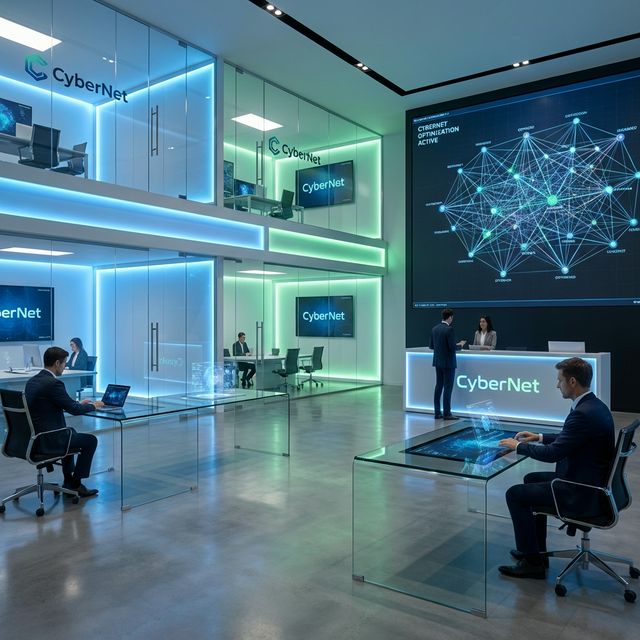
Upgrading your IT infrastructure doesn't have to mean a "rip and replace" of everything you own. At CyberNet, we specialize in structured modernization paths that maximize your existing investments while strategically introducing high-performance, secure technologies.
Our modernization approach includes:
- Comprehensive Infrastructure Audits: Identifying bottlenecks and security risks.
- Hybrid Cloud Integration: Moving critical workloads to the cloud for scalability.
- Next-Generation Networking: Implementing SD-WAN and high-speed switching.
- Security-First Design: Building protection into every layer of the upgrade.
- Strategic Implementation Planning: Ensuring minimal disruption to your daily operations.
Don't let your technology be the ceiling on your success. Contact CyberNet today for a technology assessment and discover how a modern infrastructure can accelerate your business growth.
Originally published on CyberNet